Ultimate Guide: The Best Italian Cities, Lakes, and Vacation Spots to Visit
Introduction
Italy stands out as a premier travel destination for its unmatched blend of cultural legacy, natural beauty, and unforgettable experiences. From ancient Roman ruins and Renaissance art to quaint villages and grand cities, Italy offers travelers a captivating journey through time. Whether you’re seeking the best Italian cities to visit for tourists, iconic lakes, or the most popular vacation spots in Italy, the diversity is astounding.
The allure of Italy’s travel destinations lies in their variety. Cities like Rome, Florence, and Venice attract those searching for culture and history, featuring world-class museums, UNESCO sites, vibrant neighborhoods, and renowned cuisine. For nature lovers, the scenic lakes in Italy to visit—such as Como, Garda, and Maggiore—present stunning blue waters nestled among dramatic mountains and forested hills. Romantic towns, colorful seaside villages, and top Italian vacation destinations like the Amalfi Coast or Dolomites round out a list that appeals to every traveler’s interests and preferences, whether you crave art, adventure, or peaceful retreats.
This guide aims to help readers pinpoint the best Italian cities for sightseeing, must-see lakes in Italy, and the top places to visit in Italy for vacations. By blending local insight, up-to-date travel trends, and research-backed recommendations, it highlights the most enchanting lakes, the best Italian towns for vacation, and vacation spots in Italy for nature lovers. Whether your dream trip revolves around history, luxurious landscapes, or serene escapes, this resource curates the Italy travel destinations with best lakes, culture, and adventure all in one place.
Why Choose Italy for Your Next Vacation?
Italy stands out as a premier travel destination thanks to its unique mix of cultural depth, historic landmarks, diverse landscapes, and world-renowned cuisine. Whether your interests center on art, food, adventure, or relaxation, Italy offers experiences tailored for every traveler.
The Unique Blend: Culture, History, Landscape, and Cuisine
Italy boasts more UNESCO World Heritage Sites than any other country. From the timeless ruins of Rome to the exquisite mosaics in Ravenna and the medieval treasures of Siena, travelers can explore millennia of history in both famous cities and hidden gems. Regions like Noto and Alberobello display distinctive architectural styles, such as Baroque facades and conical-roofed trulli houses, illustrating the nation’s layered heritage.
Nature intersects with history throughout the Italian peninsula. Lakes, coastlines, and mountain ranges frame ancient villages, castles, and bustling piazzas. Italian cuisine also reflects this diversity—Tuscany’s rolling vineyards produce celebrated wines like Vino Nobile di Montepulciano, while southern regions serve up fresh seafood and lemon-infused dishes typical of the Amalfi Coast.
A Spectrum of Experiences: Cities, Lakes, and Coastlines
- Bustling Cities: Rome, Florence, Venice, and Milan offer rich artistic, architectural, and culinary experiences. Each city has its own character—Florence stuns with Renaissance masterpieces, while Venice weaves history and romance along its canals [source].
- Scenic Lakes: Italy features over 1,500 lakes. The northern lakes—Maggiore, Como, and Garda—rank among the most beautiful travel destinations in Europe. Lake Como, for example, draws visitors with its historic villas, mountain vistas, and luxe ambiance. Lake Maggiore offers tranquil ferry rides and lush botanical gardens, while Garda is known for water sports and family-friendly beaches [source][source].
- Coastlines and Adventure: The Amalfi Coast is a top vacation spot for its dramatic cliffs, pastel-colored villages like Positano and Ravello, and opportunities for hiking and boating. The Dolomites attract adventure seekers with alpine hiking, skiing, and mountain biking. Other regions, like Puglia and Sardinia, offer surfing, snorkeling, and quiet beaches [source].
Many of these destinations also integrate cultural exploration into outdoor and culinary activities—think wine tasting in alpine villages, or cooking classes in coastal towns. This varied landscape, from busy cities to serene lakes and rugged coastlines, ensures every interest is met.
Who Is This Guide For?
This guide is designed for travelers aiming to craft the perfect Italian itinerary:
- Couples: Seek romance in Venice’s gondola rides, sunset dinners on Lake Como, or cliffside walks in Positano.
- Families: Enjoy interactive museum visits in Rome, easy hikes along Lake Garda, and family cooking classes in Florence.
- Solo Travelers: Explore art-rich cities, hike independently in the Dolomites, or integrate into local communities on the Italian Riviera—offering both safety and sociability.
- Adventure Seekers: Scale the Dolomites, dive off Sardinia’s coasts, windsurf on Lake Garda, or kayak along the Cinque Terre.
Whether you’re after top Italian vacation destinations for sightseeing, food and wine, active adventure, or tranquil nature—Italy has something to offer every style of traveler, making it an outstanding choice for your next vacation [source].
Unforgettable Italian Cities—The Best Urban Destinations
1.1 Florence: Renaissance Art and Tuscan Charm
Florence ranks among the best Italian cities to visit for tourists searching for a blend of fine art, architecture, and cuisine. The Uffizi Gallery is an essential stop, celebrated for masterpieces like Botticelli’s “The Birth of Venus” and new exhibit rooms featuring works by Raphael and Andrea del Sarto. Recent upgrades, including the reopening of the Vasari Corridor, provide a unique vantage point above the city’s ancient core and deliver a deeper appreciation for Florence’s Renaissance heritage (Reuters, Dec 2024).
The Florence Cathedral, or Duomo, with Brunelleschi’s dome, dominates the skyline and highlights the city’s architectural innovation. Nearby, the Ponte Vecchio offers not just history but also artisan gold shops—linking the heart of Florence’s rich mercantile past with modern vibrancy. Dinner in Florence means sampling local classics: Florentine steak, ribollita soup, and wines from Chianti. Whether admiring Renaissance sculptures at the Uffizi or exploring trattorias tucked into cobbled streets, Florence delivers on its reputation as a top Italian vacation destination (Florence Daily News, Oct 2024).
1.2 Venice: The City of Canals
Venice’s allure is found in its unique cityscape, dominated by winding waterways and storied architecture. St. Mark’s Basilica in Piazza San Marco dazzles with gold mosaics and centuries-old history, melding Eastern and Western styles. Arrive early or late in the day to experience the basilica’s serenity and avoid peak crowds (Machu Picchu Travel, May 2024). The Rialto Bridge, the oldest across the Grand Canal, is a prime photo spot and gateway to the bustling Rialto Market nearby. For quieter exploration, cross the Grand Canal by vaporetto and weave through lesser-traveled neighborhoods like Cannaregio.
Enhance your visit by venturing beyond tourist hubs—explore artisan shops, enjoy cicchetti (Venetian bar snacks), and meander through residential alleyways. Following UNESCO guidelines, travelers are encouraged to respect local customs, tread lightly, and steer toward sustainable experiences. Venice stands as one of the top places to visit in Italy for vacations, balancing romance, culture, and history (History Tools, May 2024).
1.3 Rome: The Eternal City
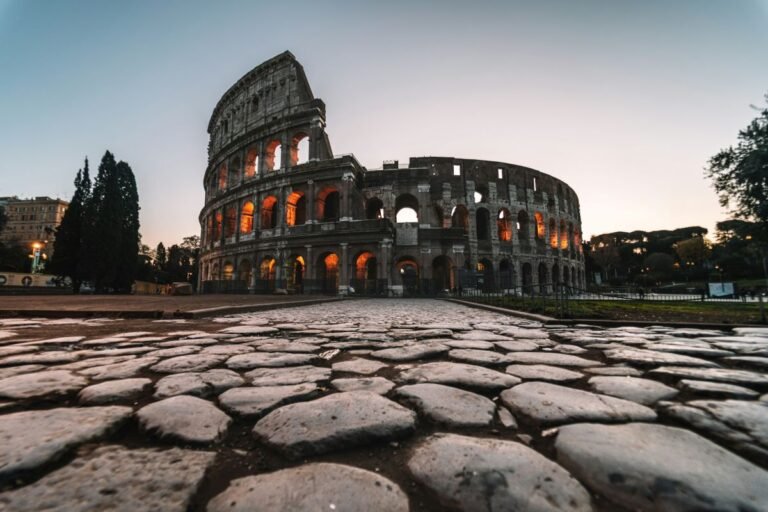
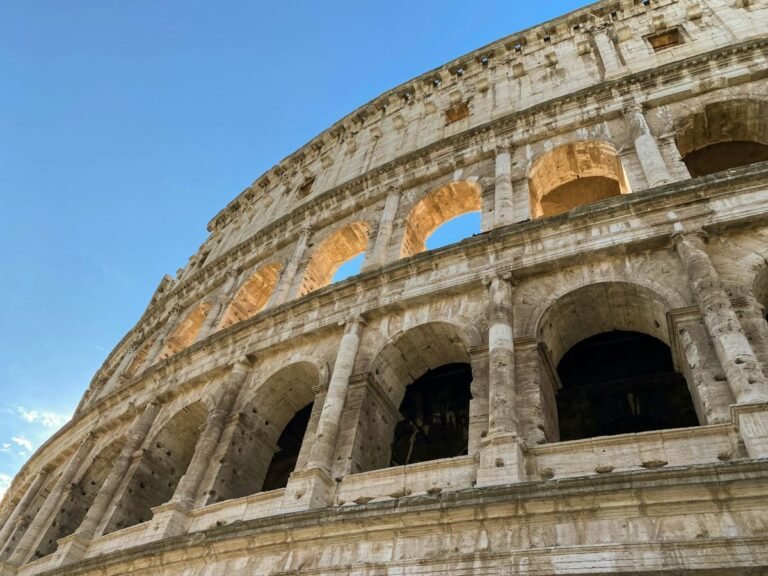
Rome, a must for seekers of culture and history, pulses with monumental sites and vibrant neighborhoods. The Colosseum and Roman Forum, set amid ongoing archaeological and engineering projects, tell the story of ancient power and architectural mastery (AP News, May 2024). Vatican City, the spiritual heart, houses St. Peter’s Basilica and the Vatican Museums, home to Michelangelo’s Sistine Chapel frescoes. Guided tours at the Domus Aurea offer a rare look at Nero’s opulent palace, blending virtual reality with real ruins (BBC Travel, Sep 2023).
To experience authentic Rome, venture into neighborhoods like Trastevere, known for its bohemian energy and lively trattorias, or Testaccio, home to the city’s most beloved food market. San Giovanni and Ostiense offer vibrant murals, local life, and a break from the usual tourist trail (Mighty Travels, Apr 2025). Rome remains one of the best Italian cities for sightseeing and cultural immersion.
1.4 Verbania: The Garden City on Lake Maggiore
Verbania, perched on Lake Maggiore, is consistently ranked among the best vacation spots in Italy for nature lovers and fans of scenic lakes (Great Value Vacations). The city is famed for the Villa Taranto Botanical Gardens, a sprawling lakeside haven boasting rare and exotic plants and an annual tulip festival every April. Designed in the 1930s by Captain Neil McEacharn, the gardens serve as a living museum for horticultural enthusiasts and casual visitors alike, drawing crowds during vibrant seasonal displays (Live the World, Oct 2025).
Beyond the gardens, Verbania’s lakeside promenades invite leisurely strolls set against the Alps, while nearby islands and historic villas offer further exploration. Its blend of natural beauty, lush gardens, and serene lake views firmly establishes Verbania as a top Italian lake town for travel (El País, Feb 2025).
1.5 Bergamo: Hidden Medieval Gem
Bergamo, recognized for its Venetian walls and UNESCO heritage status, is one of the best Italian towns for vacation away from mass tourism. The Città Alta, or Upper Town, offers medieval streets and the harmonious Piazza Vecchia, where Renaissance and medieval buildings surround the Contarini Fountain (Explore Bergamo). The Venetian walls encircle the old city, with gates like Porta San Giacomo granting panoramic views and insight into historic fortifications (Museo delle Storie, Nov 2023).
Two funiculars link the modern lower city to the historic heights, making for both a practical and scenic means of exploration. Bergamo’s proximity to Lake Iseo and Lake Como enables easy day trips to some of the most scenic lakes in Italy to visit (El País, Jul 2024). The city’s fusion of history, architecture, and access to nature fulfills every traveler’s search for authentic Italian travel destinations with the best lakes.
The Best Italian Lakes to Visit—Nature, Leisure, and Culture
2.1 Why Italy’s Lakes Are Unique
Italy is home to more than 1,500 lakes, each offering distinct scenery, biodiversity, and visitor experiences. From the deep alpine basins of the north to intimate upland pools and lowland wetlands, Italian lakes stand out for their ecological variation and sheer aesthetic diversity source.
These water bodies are not only scenic lakes in Italy to visit but also act as ecological hotspots, harboring rare wetland plants, spatially diverse macrophyte communities, and a variety of macroinvertebrates. Their mosaic of habitats makes them essential for plant diversity and environmental resilience, particularly in the wake of climate change.
Italian lakes blend relaxation with vibrant local life. Travelers find spaces for leisure, water sports, cycling, and hiking, while villages and towns on their shores offer rich cultural and gastronomic traditions. These qualities put them among the best Italian lakes for travel and highlight their role in Italy travel destinations with best lakes.
2.2 Lake Maggiore—Elegance and Island Adventures
Lake Maggiore is renowned for its unique fusion of Italian class and a gentle nod to neighboring Switzerland. The Borromean Islands—Isola Bella, Isola Madre, and Isola dei Pescatori—are central to the lake’s allure. Isola Bella stuns with the 17th-century Palazzo Borromeo and its baroque gardens abundant with rare flora, while Isola Madre features lush botanical gardens cherished for their global plant collections. Isola dei Pescatori charms visitors with traditional fishing village ambiance and authentic northern lakeside cuisine.
The town of Stresa, with its lakeside promenade and grand villas, represents classic Italian elegance. Stresa is a starting point for ferry tours that explore the islands and reveal ever-changing lake vistas. Day trips are enhanced by the region’s blend of local traditions, art festivals, and cuisine rooted in both Italian and Swiss influences. Notably, Verbania, also on the lake, is praised for its gardens and is one of the best Italian cities to visit for tourists, especially for culture and history source.
2.3 Lake Orta—Serenity Off the Beaten Path
Lake Orta is a sanctuary for travelers seeking peace. Smaller and less crowded than its neighbors, Orta is ideal for a slower pace and deeper connection with Italian landscape and history. The centerpiece, San Giulio Island, hosts a 12th-century basilica and an aura of spiritual quiet, set apart by the Way of Silence footpath that encircles the island.
The medieval village Orta San Giulio, with its cobblestone lanes, pastel buildings, and lakefront Piazza Motta, offers a timeless Italian village experience. Markets, artisanal shops, and lakeside cafes foster a community feel, making it a favorite for those wanting to escape major tourist trails. The region’s preserved character cements it among the top places to visit in Italy for vacations seeking serenity.
2.4 Lake Como—Luxury Villas and Iconic Views
Lake Como stands among the world’s most exclusive destinations, celebrated for its luxury hotels, scenic landscapes, and historic villas source. The lake’s Y-shaped basin is dotted with some of the best Italian towns for vacation:
- Bellagio: Often called the “Pearl of the Lake,” Bellagio is known for formal gardens, waterfront promenades, and grand historic homes.
- Tremezzo: Home to Villa Carlotta, which displays botanical wonders and art galleries.
- Varenna: Noted for its peaceful ambiance, pastel houses, and the romantic Villa Monastero.
The shoreline features iconic villas like Villa del Balbianello and Villa Sola Cabiati—both blending artistic excellence, lush gardens, and pristine lake views. Tourism here is defined by private boat tours, fine dining, and cultural festivals, positioning Como as one of the best vacation spots in Italy for nature lovers and fans of heritage.
2.5 Lake Garda—Italy’s Largest for Adventure and Relaxation
Lake Garda is Italy’s largest lake and offers a vast spectrum of activities and landscapes. Water sports are front and center: windsurfing, kayaking, and sailing thrive on the breezy northern shores. The lakeside towns—including Sirmione, set on a photogenic peninsula with medieval castles; Malcesine, with its panoramic cable car to Monte Baldo; and Gardone Riviera, famous for historical villas—invite leisurely exploration, cycling, or lakeside strolls.
Families enjoy safe beaches like Jamaica Beach and a range of amusement parks and easy hiking trails. Culinary highlights include local fish dishes—“bigoli con le sarde del Garda”—and regional sweets such as Cassata Gardesana, accessible at both upscale restaurants and lively village markets. Cooking classes and open-air markets underscore the region’s rich food culture, marking Lake Garda as a popular vacation spot in Italy for both outdoor adventure and gastronomy.
2.6 Lake Braies—Alpine Tranquility in the Dolomites
Lake Braies, set within the Dolomites, offers some of the most dramatic mountain-encircled waters in the country. Its emerald surface reflects rugged peaks, larch forests, and shifting alpine light. Nature lovers are drawn to Braies by the lake’s legendary hiking trails, including routes that encircle the shore or ascend nearby summits for panoramic views.
Outdoor experiences range from rowing traditional wooden boats to wildlife observation and mountain photography. Lake Braies is an example of high-altitude Italian lakes that foster unique biodiversity while providing a tranquil escape, making it a must-see lake in Italy for visitors passionate about scenic beauty and unspoiled nature.
Best Italian Vacation Spots—Beyond Lakes and Cities
3.1 Amalfi Coast—Coastal Drama and Mediterranean Magic
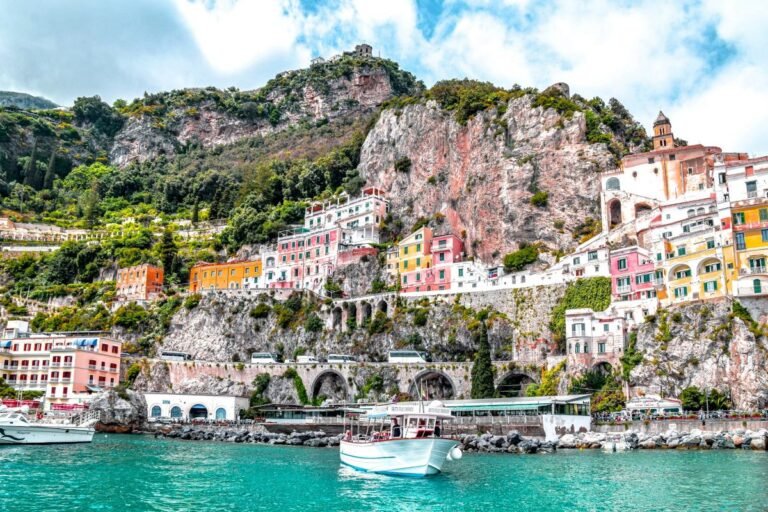
The Amalfi Coast stands out among the top Italian vacation destinations for its dramatic coastal cliffs, pastel-hued villages, and open Mediterranean horizons. Declared a UNESCO World Heritage site, this stretch between Sorrento and Salerno is known both for its natural beauty and deep-rooted cultural traditions.
Towns to Visit
- Positano: A vertical cascade of houses, Positano’s narrow streets are filled with artisan boutiques and cafes. The Spiaggia Grande beach offers sweeping views, while steep stairways lead visitors up through floral terraces and bustling piazzas.
- Amalfi: The historic heart of the coast, Amalfi’s centerpiece is its 9th-century cathedral with striking Arabic-Norman architecture. Walk winding alleys to find traditional pastry shops, and don’t miss the Museo della Carta, documenting ancient papermaking traditions.
- Ravello: Perched high above the sea, Ravello entices with panoramic gardens. Visit Villa Cimbrone and Villa Rufolo for their legendary vistas and summer music festivals. The town’s peaceful ambiance contrasts with the busier coastline below.
Beaches, Hiking Trails, and Local Limoncello
- Beaches: Iconic shorelines, such as Marina Grande (Positano) and Spiaggia di Atrani, offer pebbled sunbathing spots accessible by scenic walks or local boats.
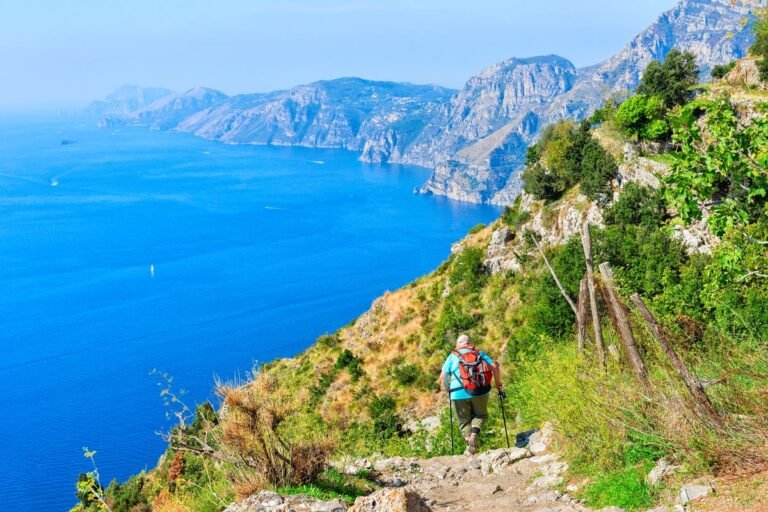
- Hiking Trails: The Path of the Gods (Sentiero degli Dei) runs from Bomerano to Nocelle/Positano, regarded as one of Italy’s best coastal hikes. The 7–7.8 km route delivers views over the Tyrrhenian Sea, olive groves, and cliffside farms. Start in early morning for cooler temperatures and fewer crowds; proper footwear is necessary.
- Limoncello: Along the coast, lemon groves thrive on steep terraces. Local producers craft limoncello, a signature lemon liqueur, using centuries-old recipes. Many family-run workshops offer tastings and lessons on this artisanal process.
Guided walking tours connect these highlights, from relaxed rambles through village squares to challenging climbs along classic pilgrimage trails. Stopping in piazzas for espresso, sampling limoncello in Amalfi’s bars, or touring Ravello’s gardens provides an immersion into both natural and cultural wonders. The panoramic drive connecting these towns is almost as famous as the scenery itself, offering a journey through one of Italy’s most prized coastal legacies luxeroam.com.
3.2 Tuscany—Vineyards, Rolling Hills, and Medieval Towns
Tuscany, a must-see for nature and culture, offers a fusion of vineyard-studded hills, medieval towns, and culinary excellence. It sits high on lists of the best Italian cities to visit for tourists seeking wine, art, and rural experiences.
Wine Regions
- Chianti: Easily accessible from Florence or Siena, Chianti is renowned for its ruby-red Sangiovese wines. Vineyards like Castellina and Radda host tours combining tastings with visits to ancient castles and family-run enotecas.
- Montalcino: Home of Brunello, one of Italy’s most prestigious reds. Cellars and estates, such as those around Sant’Angelo in Colle, offer guided visits and paired lunches with local cheeses and olive oil.
- San Gimignano: Famous for Vernaccia white wine, this hilltop town is lined with medieval towers and piazzas, ideal for open-air wine bars and slow evenings.
Experiences
- Farm Stays (Agriturismo): Many estates let guests immerse in daily farm life, with homemade meals, olive harvesting, and traditional cooking classes. These stays often feature Tuscan villa accommodation and panoramic countryside views.
- Truffle Hunting: Guided by experts and trained dogs, travelers can participate in autumn truffle hunts in Chianti or near San Gimignano. These excursions culminate in cooking classes or meals highlighting freshly found truffles.
- Cycling Tours: Winding country roads and dedicated bike paths make Tuscany ideal for cycling. Guided routes pass sunflower fields, cypress drives, and vineyards, stopping at local markets and artisan bakers. Spring and early fall are the favored seasons due to mild weather.
Medieval Towns
- Siena: The city’s centerpiece, Piazza del Campo, hosts the Palio horse race each summer. Visit the grand cathedral, medieval museums, and sample Siena’s famous panforte cake.
- San Gimignano: With its “medieval skyscrapers,” the town is both a UNESCO World Heritage site and a photogenic gem for medieval architecture fans. Explore artisan gelato shops and antique stone churches.
Many agritourism properties, from wine resorts to rustic farmhouses, blend sustainability with authentic rural hospitality. They create immersive, participatory travel, preserving heritage and supporting local communities through food, wine, and nature.
3.3 The Dolomites—Adventure in the Italian Alps
The Dolomites, another UNESCO World Heritage site, rise in sharp spires and brilliant stone faces. They are one of the best vacation spots in Italy for nature lovers and thrill seekers alike.
Hiking, Skiing, and Scenic Drives
- Hiking: The network of Alta Via routes offers multi-day treks linking alpine meadows, emerald lakes, and rocky pinnacles. Even day hikes, such as those in Fanes-Senes-Braies Nature Park, showcase peaks and wildflowers. The Path of the Ladin Legends and Delicious Trail Dolomiti combine sport with tradition and local food stops.
- Skiing: Winter transforms the region into the Dolomiti Superski area, one of the world’s most extensive ski circuits. Dozens of villages, including Arabba and Marmolada, are linked via lifts and ski buses. The Great War Ski Tour adds a historical dimension, tracing WWI sites and open-air museums along 90 km of slopes and trails.
- Scenic Drives: Drives such as the Sella Ronda or the Great Dolomite Road reward visitors with changing mountain vistas, stopping at high-altitude viewpoints and charming mountain huts (rifugi).
Picturesque Villages and Tyrolean Culture
- Villages: Nestled in valleys, towns like Ortisei, Canazei, and San Cassiano combine pastel buildings with wooden balconies, local artisan shops, and peaceful atmospheres.
- Tyrolean Culture: The region is home to the Ladin people, who preserve their own language, cuisine, and customs. Local specialties include canederli (bread dumplings), speck, and apple strudel—reflecting both Italian and Austrian influences.
Respect for natural beauty and local culture is central. Guided walks may include stories in Ladin, stops at family-run dairies, and visits to traditional wooden farmhouses. Eco-conscious travelers will find options for slow travel, sustainable accommodation, and immersive cultural programs that let them experience the unique identity of this top Italian vacation destination.
The Ultimate Northern Italy Lakes Road Trip (With Maps & Itinerary Suggestions)
4.1 Why Take a Road Trip in Northern Italy?
A Northern Italy road trip combines scenic lakeside relaxation with immersive explorations of some of the best Italian cities to visit for tourists. The region features must-see lakes in Italy, such as Lake Maggiore, Lake Como, and Lake Orta, and is dotted with popular vacation spots known for culture, history, and natural landscapes.
By driving, travelers can access hidden lakefront villages, historical centers, and panoramic viewpoints at their own pace. This flexibility allows for spontaneous stops—an espresso at a waterside café in Stresa, an afternoon hike above Lake Orta, or cultural walks in ancient towns.
A well-planned road trip here is a recipe for discovering both world-famous sites and under-the-radar treasures. It lets you blend top Italian vacation destinations with moments of authentic relaxation among scenic lakes in Italy to visit. This route represents a perfect balance of lakeside serenity and cultural adventure, making it one of the top places to visit in Italy for vacations and for nature lovers alike source.
4.2 Step-by-Step: Sample 7-Day Itinerary
Follow this sample itinerary for a seamless journey through Italy travel destinations with best lakes and cities.
Day 1–2: Lake Maggiore
- Stresa: Begin in Stresa, a historic town with Art Nouveau architecture and sweeping views. Take a lake cruise to the Borromean Islands. Explore the grandiose Borromeo Palace with its gardens.
- Borromean Islands: Visit Isola Bella for classic formal gardens, and Isola dei Pescatori for local seafood tratorias.
- Verbania: Explore lush Villa Taranto botanical gardens and stroll the lakefront. Verbania is renowned for its scenic beauty and is considered one of the best Italian towns for vacation source.
Day 3: Lake Orta
- Orta San Giulio: Wander medieval lanes with artisan boutiques and lakeside cafés.
- San Giulio Island: Take a short ferry ride to the tranquil island, known for its Benedictine monastery and spiritual silence.
Day 4–5: Lake Como
- Bellagio: Nicknamed the “Pearl of the Lake,” Bellagio enchants with picturesque cobblestone streets, Villa Melzi gardens, and waterfront dining.
- Varenna: Accessible by ferry from Bellagio, Varenna offers romantic lakeside walks, pastel houses, and lakeshore Aperitivi.
- Tremezzo: Tour Villa Carlotta, famous for art and botanical gardens. Visit historic hotels and enjoy panoramic views across the water.
Lake Como is celebrated among the best Italian lakes for travel due to its luxury, natural beauty, and historical villas source.
Day 6: Bergamo
- Città Alta: Explore the fortified medieval upper town, accessible by funicular. Wander along Venetian walls, visit Piazza Vecchia, and climb to hilltop viewpoints for sweeping vistas.
- Bergamo’s mix of Renaissance and medieval architecture makes it one of the best cities to visit in Italy for culture and history.
Day 7: Day-Trip Options
Choose from several iconic Italian travel destinations:
- Lake Garda: Head to Sirmione for Scaliger Castle, ancient Roman ruins, and pebble beaches. Adventurers can hike Monte Baldo or try windsurfing on the northern shore.
- Milan: Explore the Milan Duomo, the Galleria Vittorio Emanuele II, and masterpieces like Leonardo’s Last Supper.
- The Dolomites: Take a mountain drive to alpine valleys and high-altitude villages for hiking or cable car views.
4.3 Travel Tips and Logistics
Car Rental Advice
- Book early, especially in May–June and September.
- Compact cars are ideal for navigating narrow lakeside roads and medieval town centers.
- Driving gives access to top Italian vacation destinations and best Italian cities for sightseeing otherwise unreachable by public transport.
Best Travel Seasons
- Late Spring (May–June): Pleasant temperatures, fewer crowds—ideal for hiking, garden visits, and lakeside relaxation.
- Early Autumn (September): Warm days, brilliant foliage, and quieter attractions.
Lake-Hopping Tips
- Use ferries or hydrofoils to connect towns on Lake Como and Lake Maggiore for a break from driving. Tickets are available at dockside kiosks.
- Allow extra time for ferry queues in high season; check schedules in advance.
Accommodation Options
- Boutique Hotels: Classic family-run hotels are found in Bellagio, Stresa, and Orta San Giulio, offering lakeside ambiance and historic charm.
- Villas: Rent a private villa for groups or families, with options in Tremezzo or Verbania overlooking the lake.
- Agriturismos: Farm stays in surrounding hills provide authentic local experience, seasonal cuisine, and views of the lakes.
- Refer to official tourism sites for current hotel availabilities and seasonal deals.
This combination of planning strategies ensures you get the best of both worlds—scenic lakes in Italy to visit and a seamless way to explore the best Italian cities for culture and history source.
Culinary Experiences—Pairing Destinations with Italian Cuisine
5.1 Regional Specialties by City and Lake
Florence: Bistecca alla Fiorentina & Truffles
Florence is renowned as one of the best Italian cities to visit for tourists who seek authentic food heritage. The Bistecca alla Fiorentina stands at the core of Florentine gastronomy—this thick-cut, bone-in steak from Chianina cattle is simply seasoned, seared over a wood or charcoal grill, and served rare. Its preparation reflects centuries-old Tuscan culinary tradition, with local trattorias in neighborhoods such as Oltrarno and Santo Spirito upholding the authenticity of this dish. Accompaniments are modest, like cannellini beans or fresh salads, letting the beef’s flavor dominate Mighty Travels, Jun 2024.
Truffles, prized for their earthy, aromatic profile, further elevate Tuscan tables—often shaved over fresh pasta, risottos, or crostini. The region’s eateries showcase these mushrooms during truffle season, making Florence a hub for both black and white truffle delicacies. This unpretentious, ingredient-driven approach cements Florence among the best Italian cities for culture and culinary history Bite! Eat! Repeat!, Feb 2025.
Venice: Cicchetti & Seafood Risotto
Venice’s culinary identity is shaped by its history as a maritime republic and its accessibility to the Adriatic. Cicchetti—Venetian small bites—are found in local bacari, where they’re paired with regional wines or a classic spritz during aperitivo hours. These tapas-style dishes range from crostini with seafood to fried meatballs and marinated vegetables, providing a mosaic of local tastes in a convivial setting Top Travel & Food Magazine, Oct 2024. Seafood risotto, especially risotto al nero di seppia (cuttlefish ink) or risotto ai frutti di mare, uses the daily bounty from the lagoon or nearby seas. This maritime influence permeates Venetian menus, with additional regional favorites such as sarde in saor and baccalà mantecato anchoring Venice among the top Italian vacation destinations for food lovers A Venezia, Aug 2024.
Lake Maggiore: Lake Fish & Risotto with Perch
Lake Maggiore captivates with its alpine scenery and distinctive cuisine, ranking high among the best Italian lakes for travel. Signature dishes feature freshwater fish like perch, prepared lightly fried and served atop a creamy butter-rich risotto. Menaggio and other lakeside towns specialize in this dish, exemplifying a blend of Lombard and Alpine culinary traditions e-borghi, Nov 2023. Preservation efforts, such as underwater fish nurseries, underscore the importance of sustainable practices to maintain the perch population and culinary heritage Smithsonian Magazine, Oct 2024. The Alpine influence is also evident in the use of butter, herbs, and local grains, setting Lake Maggiore apart as a must-see lake in Italy for gastronomy.
Lake Garda: Olive Oil, Freshwater Fish & Lemons
Lake Garda stands out for both dramatic landscapes and its bounty of gastronomic treasures, often listed among the best Italian towns for vacation and nature. The local extra virgin olive oil, Garda PDO, is celebrated for a light, fruity flavor shaped by the lake’s temperate climate—one of the northernmost olive-growing zones in Europe Garda Lombardia, 2024. Lemon groves flourish in towns like Limone sul Garda and Gargnano, infusing both sweet and savory local cuisine.
Regional freshwater fish, including whitefish (lavaret), perch, and pike, are featured in specialties such as risotto con pesce di lago. Cheeses like Tombea and Formagella di Tremosine, and unique products like dried sardines, further reflect Lake Garda’s microclimate and cultural crossroads Gambero Rosso International, Dec 2024. Meals frequently include polenta, embracing the area’s Venetian and Alpine influences and ensuring Lake Garda’s reputation as one of Italy’s top vacation spots for nature and food enthusiasts.
5.2 Wine & Food Routes Across Italy’s Lakes and Countryside
Exploring the best Italian cities for sightseeing often goes hand-in-hand with discovering the surrounding wine country and vibrant food markets.
Notable Vineyards and Wine Tours
Northern Italy’s acclaimed wine regions—Chianti Classico, Lugana, and Bardolino—span landscapes from the Tuscan hills to the shores of Lake Garda. Wine tours routinely pair historical insight with tastings:
- Chianti Classico: Villa Le Barone organizes private tours with Il Molino di Grace, delving into the region’s Sangiovese traditions.
- Bardolino (Lake Garda): Cantina Valetti and Monteci Viticoltori offer panoramic tastings of Bardolino and Valpolicella, often accompanied by local cheeses and cured meats.
- Lugana (Lake Garda): Le Morette’s “Lugana Special” showcases the crisp, aromatic profile of Lugana DOC wines with guided cellar tours.
Producers emphasize multi-generational heritage and local terroir, making these tours essential for understanding Italy’s wine legacy and scenic lakes in Italy to visit.
Must-Try Local Markets and Traditional Food Festivals
Each region boasts bustling markets and annual gastronomy festivals:
- Florence: Mercato Centrale—a hub for Tuscan cheeses, olive oils, truffles, and street foods.
- Venice: Rialto Market—famous for its daily catch and fresh produce, anchoring the city’s seafood traditions.
- Lake Maggiore: Stresa and Verbania host food fairs celebrating risotto, lake fish, and Alpine meats, connecting travelers with authentic regional tastes El Pais, Jul 2024.
- Lake Garda: Bardolino Wine Festival and Limone Limoni Festival highlight local PDO olive oil, lemon specialties, and artisanal fish dishes.
These events offer immersive access to regional identities, turning each visit into a culinary journey through Italy’s most popular vacation spots and scenic lakes Gambero Rosso International, Dec 2024.
From Florence’s historic trattorias to Lake Garda’s lemon-scented groves, and the vineyard-lined hills above Italy’s iconic lakes, each destination weaves culinary excellence into the very fabric of its landscape. Each city and lake area stands out among the top places to visit in Italy for vacations, merging culture, history, and gastronomy.
Planning Tips for the Perfect Italian Vacation
6.1 When to Visit—Seasonal Considerations
Italy’s travel seasons shape your experience—timing matters, especially when considering the best Italian cities to visit for tourists and the top Italian vacation destinations. High season (June–August and major holidays) means lively cultural events, vibrant festivals, and bustling streets in cities like Rome, Venice, or Florence. However, expect large crowds, long queues at attractions, and the highest prices for lodging and airfare. The Amalfi Coast and major lakes—Como, Garda, and Maggiore—see overtourism in summer, often prompting entry limits or one-way walking routes in cities such as Venice during Carnival or peak weekends BBC, The Telegraph.
Shoulder season, spanning March–May and September–October, is now the sweet spot for most travelers. Weather is milder and pleasant in both cities and lake regions. Prices for hotels and attractions drop considerably, while restaurant and museum access is easier. Bookings during these months have surged 20–30% due to travelers seeking less crowded, authentic experiences and sustainability concerns The Guardian, Forbes. You can explore must-see lakes in Italy and best Italian towns for vacation, enjoying local festivals and cultural events unique to autumn or spring.
Low season (November–February, except for Christmas/New Year) is for those seeking solitude, deep local immersion, or lower expenses. Many coastal towns or smaller lake villages may limit services, but cities like Milan, Naples, and Verona offer rich history and vibrant local life even in winter. Weather may be chilly or wet, but you’ll encounter fewer tourists at Italy travel destinations with best lakes, and iconic museums or churches become sanctuaries of calm.
6.2 How to Build Your Itinerary
Constructing your itinerary starts with identifying your travel style and must-visit places. For those seeking the best Italian cities for sightseeing and culture, focus on a blend of art capitals—Rome, Florence, Venice, and Milan—paired with lesser-known destinations like Bergamo, Brescia, and Cremona, each offering unique historical riches GreatValueVacations.
Nature lovers or those seeking relaxation should prioritize the best Italian lakes for travel: Lake Como (villa tours and waterside towns), Lake Garda (windsurfing and medieval castles), and Lake Maggiore (botanical gardens and tiny islands). Scenic lakes in Italy to visit can be explored by car or train; a road trip linking Maggiore, Orta, and Como provides a seamless mix of landscapes and culture El País, SoulMappedStories.
For a balanced vacation:
- Combine two or three main cities with side trips to lake shores or the countryside (e.g. Tuscany, Lombardy, Veneto).
- Dedicate at least 2–3 days at each base.
- Mix must-see sites (the Colosseum, Uffizi Gallery, St. Mark’s Basilica) with hands-on cultural immersion (artisan workshops, local markets, rural food tours).
Customize based on interest:
- Romantic: Stay along Lake Como or the Amalfi Coast, schedule sunset boat rides and gourmet lakeside dinners Luxeroam.
- Adventure: Hike around Lake Garda or explore the Dolomite foothills.
- Family-friendly: Visit interactive museums in Florence, boat trips on Maggiore, or theme parks near Verona.
- Culture/history: Focus on cities like Mantua, Verona, and Milan for world-class museums and historic sites.
- Slow travel: Explore smaller towns like Limone sul Garda, Malcesine, or rural farm stays, favoring longer stays for deeper engagement Travlinmad.
6.3 Sustainable and Responsible Travel Advice
Supporting Italy’s beauty and culture means making conscious choices—especially important in popular vacation spots in Italy and best Italian towns for vacation.
- Support Local Businesses: Stay at locally owned hotels, eat at family-run trattorias, and shop at craft markets instead of franchises. Attend local festivals and book tours led by residents TripJive, FarawayWorlds.
- Eco-friendly Transportation & Accommodation: Prefer trains or electric ferries over car rentals. Opt for hotels or agriturismi with green certifications, water-saving systems, and waste reduction policies. Destinations like Lake Maggiore and Como increasingly promote sustainable transport and eco-responsible practices MDPI.
- Responsible Tourism Tips:
- Reduce plastic use; carry a refillable bottle and reusable shopping bags.
- Respect local customs, ask before photographing people or sacred spaces, and learn basic Italian greetings.
- Observe marked trails and don’t disturb wildlife around Italy’s scenic lakes or rural paths.
- Avoid overtouristed times and places—visit secondary towns or lakes (e.g., Lake Orta, Lower Garda) to help spread tourism’s impact.
- Participate in local conservation activities or choose experiences that invest back into the community.
Integrating these practices ensures the top places to visit in Italy for vacations remain welcoming, unspoiled, and authentic for years to come Life Beyond the Room, [Tourism and Hospitality Research, 2023].
Conclusion—Designing Your Ideal Italian Getaway
Italy’s allure lies in its blend of cultural riches, breathtaking scenery, and diverse vacation possibilities. Whether you seek the best Italian cities to visit for tourists, the most scenic lakes in Italy to visit, or top Italian vacation destinations for nature enthusiasts, the country’s offerings are wide-ranging and world-class.
Recap: Top Cities, Lakes, and Vacation Spots
- Cities for Culture & History: Immerse yourself in Assisi’s spiritual calm, Genoa’s grand Renaissance avenues, Turin’s museums, Verona’s Roman and medieval charm, Palermo’s Arab-Norman sites, Siena’s community warmth, Ragusa’s baroque facades, and Perugia’s energetic ambiance. Each city offers a distinct window into Italy’s layered heritage and is recognized among the best cities to visit in Italy for culture and history [Idealista/news].
- Must-See Lakes: Lake Maggiore stands out for its Borromean Islands and graceful scenery; Lake Como dazzles with Alpine drama, elegant towns (Como, Bellagio, Varenna), and historic villas; Lake Garda, Italy’s largest, impresses with grand landscapes and endless activities. All three are considered some of the best Italian lakes for travel and relaxation [El País][SoulMapped Stories].
- Iconic Vacation Destinations: The Amalfi Coast, with towns like Positano and Ravello, offers terraced cliffs, lush gardens, and dazzling Mediterranean views. Tuscany enchants with vineyard-dotted hills and medieval villages. The Dolomites deliver drama with their majestic peaks and opportunities for hiking or skiing—true top places to visit in Italy for vacations and the best vacation spots in Italy for nature lovers [Luxeroam].
Final Tips to Maximize Your Travel Experience
- Mix Destinations: Balance your itinerary with both major cities and hidden gems. Combine scenic lakes in Italy to visit, vibrant urban centers, and peaceful countryside towns. For example, a trip pairing Florence’s art treasures with the tranquility of Lake Bracciano or the quietude of Barga in Tuscany gives you broad cultural and natural engagement.
- Travel Sustainably: Opt for public transport, walk or cycle when possible, and choose eco-certified lodgings. Carry reusable items to curb single-use plastics. Support family-run trattorias and buy local crafts to enhance community benefit. Select experiences—like local cooking classes or guided nature hikes—that deepen your connection to place and people.
- Plan for Authenticity: Prioritize time for local festivals, street markets, or lesser-known neighborhoods. Seek out local guides who offer insight beyond the guidebooks. Explore seasonal events such as Ravello’s classical music festival or open-air opera in Verona for immersive memories.
- Manage Tourist Crowds: Visit popular vacation spots in Italy during shoulder seasons (spring or fall) to avoid crowds and enjoy a more relaxed pace.
Encouragement: Chart Your Own Adventure
Italy rewards curiosity. Go beyond postcard landmarks—explore smaller lakes, rustic villages, and neighborhoods that rarely appear in conventional lists. Each region has unique festivals, micro-cuisines, and untold stories. Base your itinerary on your interests, whether you’re drawn by history, food, art, or adventure. Combining the best Italian cities for sightseeing with must-see lakes in Italy and rural escapes will ensure your trip is as personal as it is unforgettable.
With thoughtful planning, every visitor can create their ideal Italian holiday—one that balances the country’s iconic wonders with singular, deeply authentic moments.
References
- “Los lagos más bonitos de Italia” (El País, July 2024): This feature explores more than 1,500 Italian lakes and highlights iconic sites such as Lake Maggiore, Lake Como, and Lake Garda as the most picturesque options for travelers seeking scenic beauty and cultural immersion. These lakes are essential for those searching for the best Italian lakes for travel, Italy travel destinations with best lakes, and must-see lakes in Italy.
- “Un ‘road trip’ por tres grandes lagos del norte de Italia” (El País/Lonely Planet, Feb 2025): This article presents an in-depth itinerary through Northern Italy’s lakes: Maggiore, Orta, and Como. It emphasizes a classic road trip route for nature lovers, with suggestions for exploring historic lakeside towns and gardens. The coverage supports those researching the best Italian towns for vacation, top Italian vacation destinations, popular vacation spots in Italy, and scenic lakes in Italy to visit.
- “The Best Cities to Visit in Italy”: This industry guide ranks Italy’s best cities for culture and history, highlighting Verbania, situated on Lake Maggiore, for sightseeing and lush botanical gardens. The inclusion of Verbania supports travelers searching for the best Italian cities to visit for tourists, best cities to visit in Italy for culture and history, and best Italian cities for sightseeing.
- “Top 10 Must-Visit Places in Italy: A Complete Travel Guide”: Detailing Lake Como’s allure—its regal villas, natural surroundings, and cosmopolitan lakefront towns—this source positions Como as a must-see destination and a quintessential stop for top places to visit in Italy for vacations and best vacation spots in Italy for nature lovers.
- “The Best Places To Visit In Italy For A Perfect Vacation”: This report profiles Italy’s renowned destinations, including the Amalfi Coast’s dramatic cliffside towns like Positano and Ravello, well-known for their coastal scenery and rich cultural scene. These insights guide those searching for the best Italian cities to visit for tourists, popular vacation spots in Italy, and top Italian vacation destinations.